
- EN
Introduction: A dog cooling vest can carry two low-light features that do very different jobs: reflective trim that returns light to its source, and a back D-ring that anchors a leash.
Summer walks often get pushed to the end of the day, once the pavement has cooled and the sun is down. That is exactly when a cooling vest with reflective piping and a back metal D-ring starts to look useful, and also when it becomes easy to mix up what those two features actually do. Being seen and being leashed are separate jobs. Reflective trim belongs to the first one, the D-ring belongs to the second, and neither one removes the need for a light, careful leash handling, or a route that suits a hot, tired dog. Separating the two features makes it much easier to judge whether a vest with reflective edging and a metal back ring genuinely fits an evening walking routine.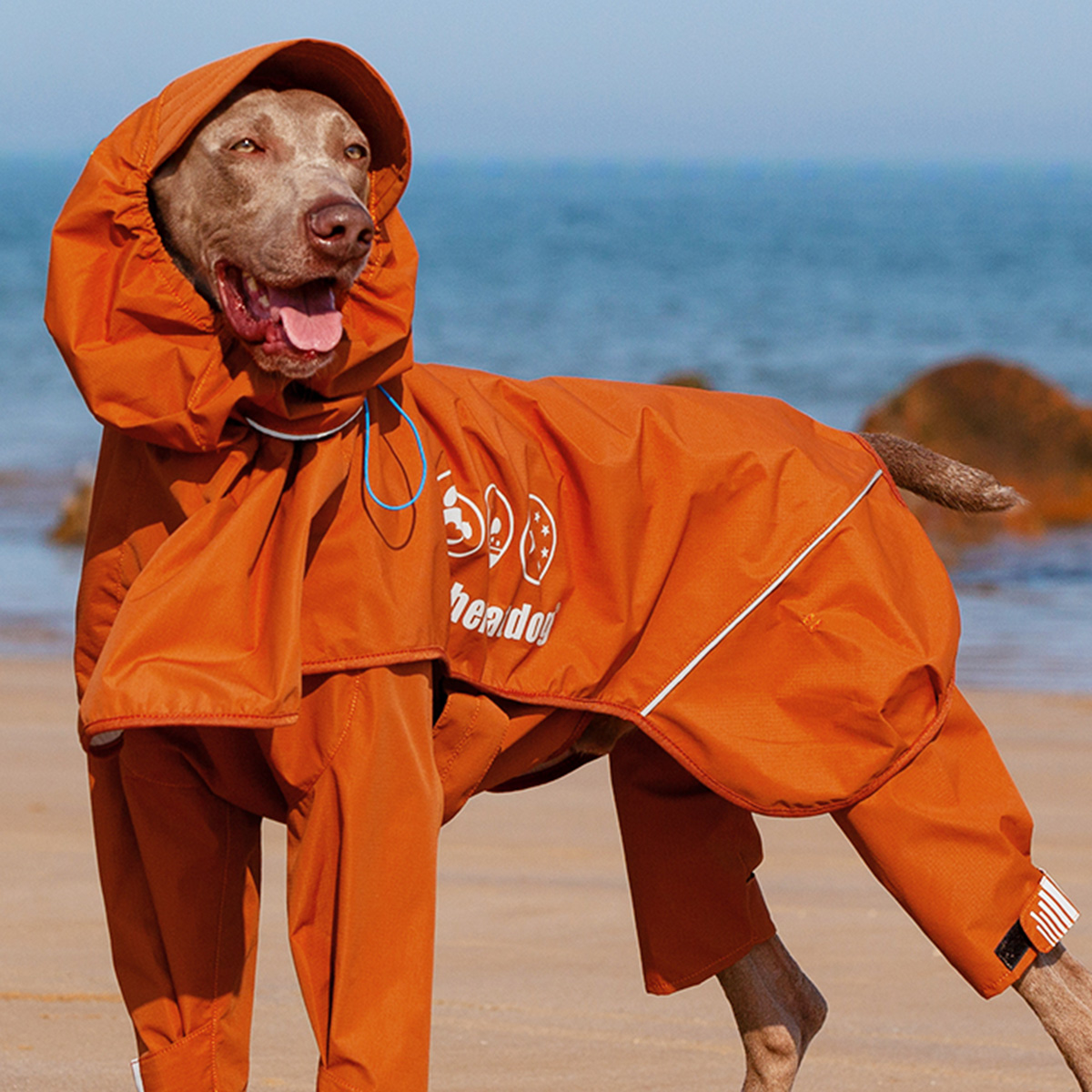
Reflective piping works by retroreflection. Light from a car headlight, a streetlamp, or a phone flashlight hits the trim and bounces back toward whoever is holding that light, so a driver behind the dog sees a bright silver band instead of a dark shape over dark asphalt. The trim has no light of its own; in a dark yard with nothing aimed at it, the piping reads as ordinary grey fabric. What changes the picture is a light pointed at it, and that is why the effect arrives in bursts — a headlight sweeps across, the outline lights up, and the dog's position becomes obvious to the person behind the wheel. Where the trim sits on a cooling vest shapes how much it helps. Piping runs along the edges of the vest panels, so it traces the line of the dog's back, chest, and sides rather than sitting in one patch. That outline is the useful part, because a driver reads a moving shape and a position rather than a single dot of colour. A dark-coated dog on a dark road blends into the surface; the same dog with reflective edging reads as a travelling outline the moment a beam touches it. The airy mesh outer layer also keeps the panels light enough that folds are less likely to cover the trim. Angle and position decide most of the result. Trim returns light best when the beam comes from roughly the same direction as the viewer, so a car directly behind or ahead produces the strongest flash while a light off to one side catches less. A dog walking ahead of its owner on a lit path shows the trim well; the same dog cutting across grass on an unlit stretch shows very little. The practical way to think about it is that reflective trim changes how clearly a dog's outline reads when a light happens to fall on it, and a driver still has to be looking.
A back D-ring turns the vest into walking gear as well as cooling gear. It sits on top of the back, above the dog's centre of gravity, so a leash clipped there hangs clear of the front legs and away from the throat. The routine is simple: the dog wears the vest out the door, the walker clips a standard snap hook onto the ring, and the cooling layer and the leash attachment travel on one piece of equipment. With adjustable buckles already handling the neck and chest, the ring adds one obvious clip point instead of another strap to sort out in the dark.
The metal D-ring is the clip point for the leash, and its position is what makes it useful. Because it sits high on the back between the shoulders, the leash line runs above the dog rather than across the neck, which suits dogs that pull against a collar or dislike pressure at the throat. For the walker, it also means one predictable spot to find with a snap hook when the light is poor and the dog is moving. The ring's job is to hold the leash to the garment; training and harness fit are separate questions, and a dog that slips collars still needs a properly fitted walking harness.
What survives hundreds of walks is not the shine or the width of the ring but the direction of the pull and the stitching underneath it. Steady forward tension along the back is easy for an anchor to handle. A sudden sideways lunge turns that load into a shearing force across the webbing tab, which is where a weak attachment gives way first, and that is why reinforced stitching matters more than ring shape: several rows of thread over a folded, doubled piece of webbing spread force across the fabric instead of concentrating it along a single line. A metal ring also keeps its shape through repeated clipping, where moulded plastic loops tend to open up over time. On a new vest, thumb the stitching under the ring, check the tab for movement, and open and close the snap hook once before heading out.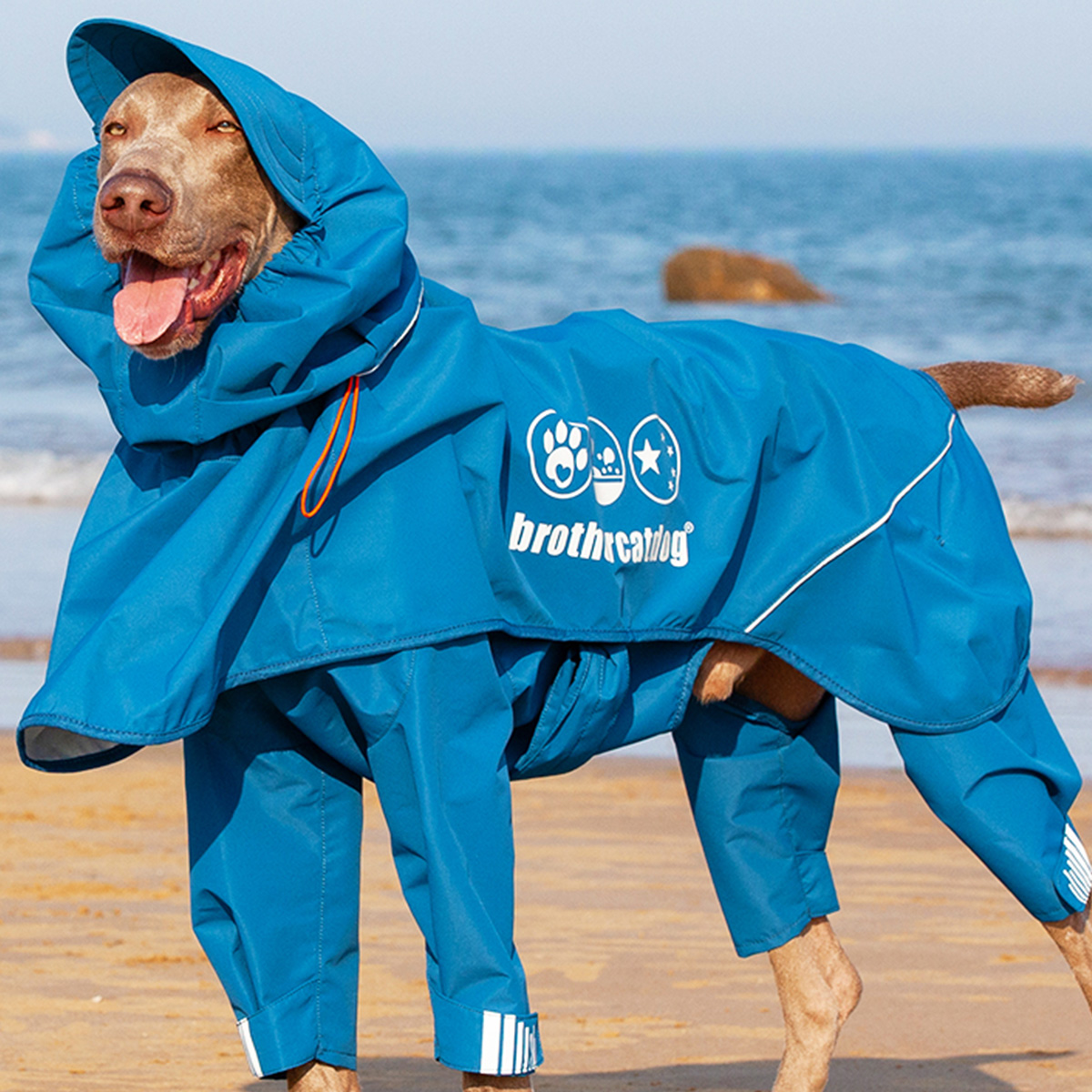
Reflective trim and a back D-ring cover two jobs, and both lean on something outside the vest. Trim only answers when a light is aimed at it and a driver is watching for it. A leash attachment only works when the walker holds the other end and reads the dog's behaviour. The rest of the setup therefore still carries most of the load: a small clip-on light on the collar, harness, or jacket; a leash kept short near traffic; crossings at lit intersections; and a route along footpaths rather than the shoulder of a road. An active light also covers the angles and distances where retroreflective trim has nothing to bounce back. Summer evenings deserve a second check before the leash comes out, because the sun going down does not drop the heat index much on a muggy day. The National Weather Service heat forecast tools give a quick read on temperature and humidity together, which is the combination that matters most on a late walk. Industry research from the American Pet Products Association shows owners steadily adding functional outdoor gear to their routines, and a cooling vest fits that pattern as a comfort layer for sticky evening air rather than a fix for hot weather. Water breaks, shade, and a shorter loop still shape how a walk goes. A representative example of the feature set discussed here is the Trianglewin dog cooling vest, which pairs reflective piping with a back metal D-ring, an airy mesh outer layer, and removable gel packs that come out before washing.
On a night walk the vest is doing two separate jobs, and it is worth judging them separately. Reflective piping changes how a dog's outline reads when headlights or street lamps fall on it. A back D-ring gives the leash a fixed, reinforced clip point above the shoulders instead of around the neck. Neither one replaces a light, an attentive walker, or a sensible route on a hot evening. When comparing vests, look at where the trim runs, how the stitching under the ring is built, whether the mesh layer keeps the panels light, and whether the gel packs come out before the vest goes in the wash.
A:Reflective piping bounces light from headlights, street lamps, or a phone flashlight back toward the source, so the dog's outline shows up as a bright band against a dark road. With no light aimed at it, the trim simply reads as ordinary fabric. Think of it as improving how clearly the dog reads whenever a beam sweeps past, which is exactly when a driver or cyclist is most likely to notice the dog at all.
A:It is the clip point for a leash. Because it sits on top of the back, above the dog's centre of gravity, the leash hangs clear of the front legs and the throat, and the walker gets one obvious spot to attach a snap hook in poor light. It is a leash attachment, so a strong puller still benefits from a properly fitted walking harness.
A:Trim does one job, so it works alongside a light and a leash rather than instead of them. Retroreflective piping only returns light that reaches it, and it depends on someone looking in that direction. A small active light on the collar, harness, or walker's jacket adds visibility from angles and distances where trim has nothing to reflect, and the leash is what keeps the dog connected and under control.
Pet Ownership Statistics, Pet Industry Trends & Pet Research by APPA
Custom logo wholesale Eco friendly dog cooling clothes with ice packs Dog cooling vest


